Authentic and Replica Products Key Differences to Know

In today’s market, replica products are becoming increasingly common.
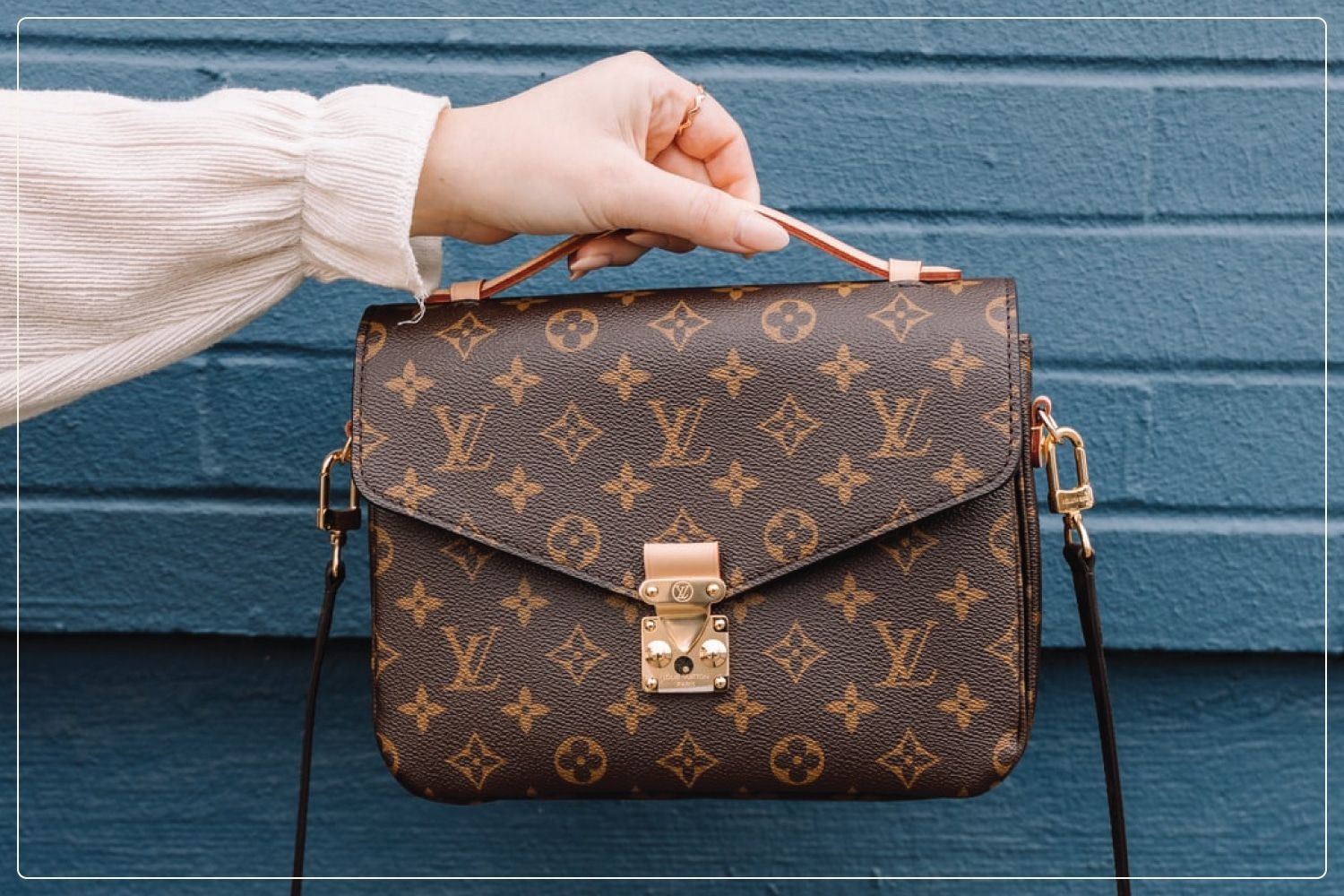
In today’s market, replica products are becoming increasingly common. These items are designed to closely resemble authentic products, often looking almost identical to the real deal. However, while they may appear similar, replicas are typically made with inferior materials and lack the same quality and durability as genuine items. Counterfeit goods take this a step further, using brand trademarks illegally to deceive consumers into thinking they are purchasing an authentic product. From fashion accessories to electronics, replicas are everywhere, and distinguishing between them and the originals can be challenging. Understanding how to tell the difference is important to ensure you get value for your money and avoid the risks associated with counterfeit goods, such as poor performance or even health hazards. Additionally, buying authentic products supports the brands and creators who invest in high-quality manufacturing. In this blog, we will explore simple tips to help you identify authentic items and avoid falling for replicas.
Authentic Products
These are genuine items produced by the original manufacturers. They adhere to strict quality standards, use premium materials, and undergo rigorous testing to ensure durability and performance. Authentic products often come with warranties, certifications, and official packaging.
Replica Products
Replicas are imitations designed to look like authentic items that the original manufacturers do not produce. While some replicas are openly sold as look-alikes without claiming to be genuine, others are counterfeit, illegally using trademarks and branding to deceive consumers. These products often use inferior materials and lack the quality control of authentic items.
Key Differences Between Authentic and Replica Items
1) Materials and Craftsmanship
2) Authentic items use high-quality materials, resulting in a superior feel and durability. Replicas often use cheaper alternatives, leading to noticeable weight, texture, and overall quality differences.
3) Stitching and Construction:
4) Genuine products exhibit precise stitching and meticulous construction. In contrast, replicas may have uneven stitches, loose threads, or misaligned components.
5) Logos and Branding
6) Authentic items feature clear, well-defined logos and branding elements. Replicas might display blurred, misspelled, or improperly placed logos.
7) Packaging
8) Original products come with high-quality packaging, including user manuals, warranty cards, and branded boxes. Replicas often have generic or substandard packaging and sometimes lack essential documentation.
9) Price Point
10) If a deal seems too good to be true, it probably is. Authentic items are priced to reflect their quality and brand value, while significantly lower prices can be a red flag for replicas.
Tips to Identify Authentic Products
1) Research Before Purchasing
2) Always start by researching the product before buying. Check the brand's official website to understand the features, pricing, and any other specific details about the item. This will help you compare what’s being offered by sellers and make sure you’re getting the real deal.
3) Examine the Product Closely
4) Authentic products are made with high-quality materials and careful craftsmanship. Take a close look at the feel of the material, the stitching, and the logo. Genuine products usually have clean, precise stitching and sharp and correctly placed logos.
5) Verify Packaging and Documentation
6) Authentic items come in quality packaging. Check if the product has branded boxes, instruction manuals, or warranty cards. If these are missing or look cheap, it’s likely a replica.
7) Check Serial Numbers and Barcodes:
8) Many authentic products have unique serial numbers or barcodes. You can verify these details on the manufacturer's website to ensure that the product is genuine. The item might be fake if the serial number cannot be verified or seems off.
9) Purchase from Authorized Retailers
10) Always try to buy from authorized stores or trusted retailers. Purchasing directly from the official website or a recognized dealer reduces the risk of buying a counterfeit product. Be careful when shopping from unknown or third-party websites.
Common Categories Prone to Replicas
1) Fashion Accessories
Bags, belts, sunglasses, and wallets are frequently copied. Since these items are trendy and expensive, replicas are made to look like the real ones but are often cheaper and lack the same quality in materials and design. It can be tricky to tell the difference, but the feel, stitching, and brand details can help you spot a fake.
2) Electronics
Gadgets, headphones, chargers, and other electronic devices are common targets for counterfeiters. While they might look like high-end brands, these replicas are often made with substandard parts, leading to poor performance and potential safety hazards.
3) Footwear
Many popular shoe designs are replicated, especially high-demand sneakers or luxury brands. These replicas may appear similar, but the quality of the materials, comfort, and durability will be noticeably different.
4) Cosmetics and Fragrances
Fake beauty products can be harmful. Counterfeit cosmetics or perfumes may contain unsafe ingredients, which can cause skin irritation or allergic reactions. Always ensure you purchase these products from trusted, authorized retailers to avoid health risks.
Potential Risks of Using Replica Products
1) Health and Safety Hazards
2) Fake electronics can easily break, overheat, or cause fires, putting you and your property at risk. Counterfeit cosmetics often contain unsafe ingredients that can cause skin problems, allergic reactions, or even long-term health issues.
3) Financial Loss
4) Although replicas usually cost less at first, they are often poorly made. This means they wear out quickly or stop working properly, forcing you to replace them more often and spend more money in the long run.
5) Legal Implications
6) Buying or selling counterfeit goods is illegal in many places. Supporting replicas also means supporting illegal industries, which can get you into legal trouble without your knowledge.
7) Lack of Support and Warranty
8) Unlike real products, replicas do not offer any official warranty or reliable customer support. If something goes wrong, you will not have any protection or help from the seller.
To conclude, identifying the difference between authentic and replica products is essential for making smart purchasing decisions. While replicas may appear tempting due to their lower prices, they often come with hidden risks, such as poor quality, safety hazards, and a lack of support or warranties. By carefully examining the materials, craftsmanship, logos, packaging, and serial numbers, you can more easily spot a replica and ensure you are buying an authentic product. Remember, purchasing genuine items ensures you get value for your money and supports the creators and manufacturers who put time and effort into making quality products. Always do your research, buy from authorized retailers, and trust your instincts when something seems too good to be true. By staying informed and aware, you can shop confidently and avoid the potential pitfalls of counterfeit goods. Thus, choosing authentic products creates a safer, more reliable shopping experience.
Recent Blogs
-

All You Need to Know About TradeTracker Before Investing
-

Uses of Natural Sleep Support Supplements: What They’re Commonly Taken For
-

Streetwear Trends 2025: How Decarba Reflects Today's Urban Fashion
-

Whole-Food Nutrition Meets Modern Life: Why Organ Supplements and Natural Blends Are Gaining Popularity
-

From Smoothie to Salad: How to Use Premium Dates in Every Meal