Designing Soft Play for Small Spaces: Compact Sets That Maximize Fun

Modern living spaces, whether apartments, small homes, daycares, or boutique play zones, often come with tight square footage.
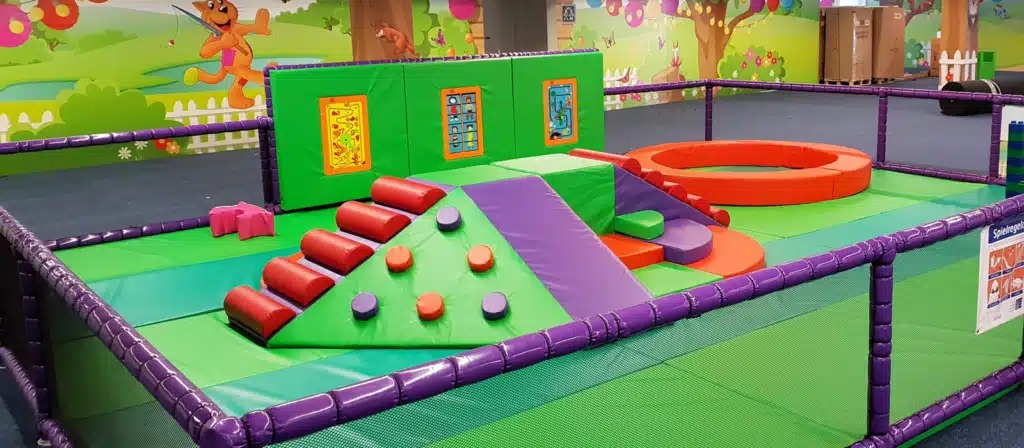
Modern living spaces, whether apartments, small homes, daycares, or boutique play zones, often come with tight square footage. But limited square footage doesn’t mean kids have to miss out on imaginative, physical play. With thoughtful layout planning, foldable or convertible elements, and multi-purpose pieces by IGLU, you can create a play zone that’s fun, safe, and space-efficient.
Compact soft play isn’t just about saving space—it’s about creating environments where creativity, movement, and learning thrive without clutter. With the right approach, even the smallest corner can be transformed into a big adventure.
Below, we’ll walk through key design strategies, layout tips, and how to incorporate compact but powerful items like ball pits, soft play sets, ride-on toys, and foam building blocks to get the maximum play value from every inch.
Why Compact Soft Play Matters
Before diving into layout and product ideas, let’s clarify why compact soft play matters:
- Space constraints: Many homes or small businesses can’t dedicate a full room to play.
- Safety & oversight: Smaller play zones make supervision easier and reduce blind spots.
- Flexibility: Modular and foldable designs allow you to reconfigure or stow pieces when not in use.
- Cost-effectiveness: You can get a lot of play value with fewer, more versatile items, avoiding bulky, fixed structures.
- Designing small doesn’t mean limiting fun—if done well, the space can feel lively and full of possibilities.
Key Design Principles & Layout Strategies
Here are foundational strategies to make compact soft play work:
1. Prioritize Vertical & Modular Play
When floor space is limited, look upwards. Use shelving, low platforms, or vertical walls for climbing panels, sensory boards, or interactive wall features. This approach frees up floor area for movement.
Modular systems—where pieces are separate, stackable, and rearrangeable—allow you to change the layout as needed.
2. Zone the Space
Divide the area into zones (e.g. active play, imaginative play, quiet rest). Even in a compact room, zoning helps children understand how to use the space and avoids chaos.

3. Use Foldable or Collapsible Gear
Foldable ball pits, stackable blocks, mats that roll up, and elements that can be tucked away make a big difference. When playtime ends, the area can return to general use.

4. Leave Clear Paths & Buffer Zones
Even small play spaces need breathability. Leave aisles or buffer zones so children can move freely and caregivers can pass safely. Avoid overcrowding with too many large items.
5. Smart Color & Visual Design
A limited palette or soothing base colors, with pops of bright accents, prevents visual chaos in small spaces. This approach also helps the space feel more open.
6. Embrace Multi-function Pieces
Choose items that can serve more than one purpose. For instance, a foam block can become a step, seat, small wall, or obstacle. Having dual or triple use is gold when space is tight.
Featured Product Types & How They Fit
Let’s explore how four types of compact soft play products can be incorporated thoughtfully:
1. A Colorful Corner for Endless Giggles
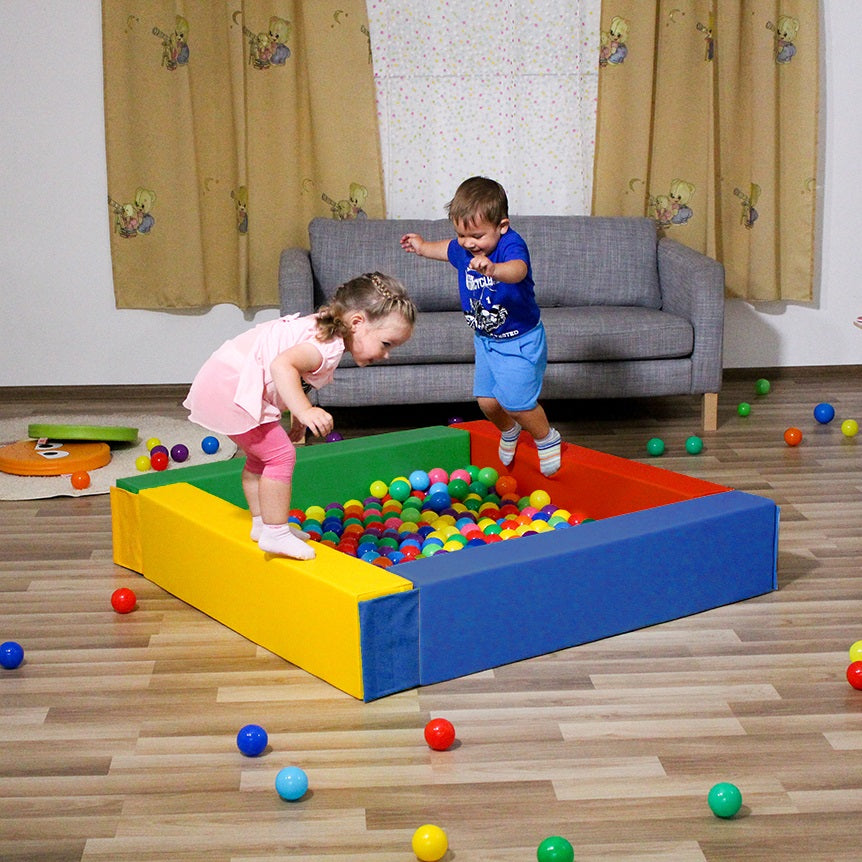
A Soft Play Ball Pit is a classic toddler favorite. Compact (and preferably collapsible) versions work wonders in tight spaces. When not in use, it can fold or deflate, freeing up the floor.
Layout tip: Place it in a corner with soft flooring around, so kids can freely crawl in and out. Use the walls nearby for interactive panels or books to create a mini reading + play nook next to it.
2. Modular Fun That Adapts to Every Mood
Soft Play Party Set usually refers to small modular soft items—ramps, blocks, slides—that can be arranged differently. Because each piece is light and modular, you can reconfigure the set according to mood, age group, or daily needs.
Layout tip: Use the set to define the “active play zone.” For example, stack a ramp + block + tunnel combination along one wall, leaving center space open for movement. At night or when not in use, you can dismantle parts and lean them against walls.
3. Little Journeys Powered by Imagination
For toddlers, Soft Ride-On Toy Car (Soft) are fun for mobility. Unlike rigid hard plastic ones, soft versions take less space, tend to be lighter, and often safer in tight environments.
Layout tip: Position a low wall or soft divider between the path the child will drive and other play zones. Make sure there’s a smooth surface to roll on (avoid rugs that catch wheels). When not in use, it can tuck under a low shelf.
4. Stack, Build, and Dream Big in Small Spaces
Foam Building Blocks are the chameleons of soft play: stack them, make towers, transform them into tunnels or fences. They are lightweight and easy to store.
Layout tip: Allocate storage bins or cubbies along one wall for block stacking. During play, scatter a few blocks in the middle; at other times, push them back into cubes or vertical stacks. Use them to soften edges of the room or block off zones.
Practical Tips & Considerations
- Safety mats & cushioning: Always use soft flooring like interlocking foam mats, especially under climbing, jumping, or ride areas.
- Rounded edges & low heights: In a small space, injuries from collisions are more likely. Use low and soft items.
- Visibility: Avoid tall, opaque items blocking sight lines. Low modular equipment ensures caregivers can supervise easily.
- Rotation & minimalism: You don’t need all items out at once. Rotate toys in and out to keep the space fresh without overcrowding.
- Cleanability: In tight quarters, dirt and clutter show fast. Choose products with washable covers or wipeable surfaces.
- Multiuse furniture: A bench might also be a block or balance beam. Storage chests can act as seating.
- Acoustic treatment: In small indoor play areas, sound can build up. Add soft fabrics, curtains, or acoustic panels to reduce echo.
Why These Choices Work So Well Together
- Flexibility: Each piece can be reconfigured, stored, or combined in new ways.
- Maximized play value: You get diversity—climbing, rolling, building, imaginative play—in a small footprint.
- Ease of supervision: Low, soft, modular layout means fewer blind spots.
- Storage-compatibility: Pieces store neatly when not in use, keeping your main space open.
- Scalable: As needs change (kids age, different use cases), these core products can evolve or expand.
Limited space doesn’t have to limit imagination or play potential. By applying smart layout choices, vertical thinking, modular gear, and multi-purpose products by IGLU—such as a compact ball pit, soft play party sets, soft ride-on cars, and foam building blocks—you can build a soft play area that’s lively, safe, and deeply fun without overwhelming the room.
Small-space design encourages creativity, both for parents setting up the area and for kids who explore it. Every piece becomes an opportunity for new games, problem-solving, and imaginative scenarios. A well-planned setup also grows with your child, adapting as their skills and interests evolve. Plus, tidy storage solutions and multi-use pieces mean your home stays functional even after playtime ends.
Ultimately, it’s proof that even the smallest spaces can deliver the biggest adventures.
Recent Blogs
-
How to Make Yard Maintenance Easier With the Right Outdoor Power Tools
-

How to Build a Simple Everyday Routine With Natural Makeup Cosmetics
-
How to Save Space and Simplify Travel With Vacuum Storage Bags and Portable Pumps
-

How Smart Glasses for Athletes Can Make Training More Convenient
-
How an Ergonomic Chair Can Make Long Workdays More Comfortable