How to Style a Minimalist Home Without Making It Feel Cold

Minimalism has become one of the most beloved interior design trends of the past decade—and for good reason.
Introduction
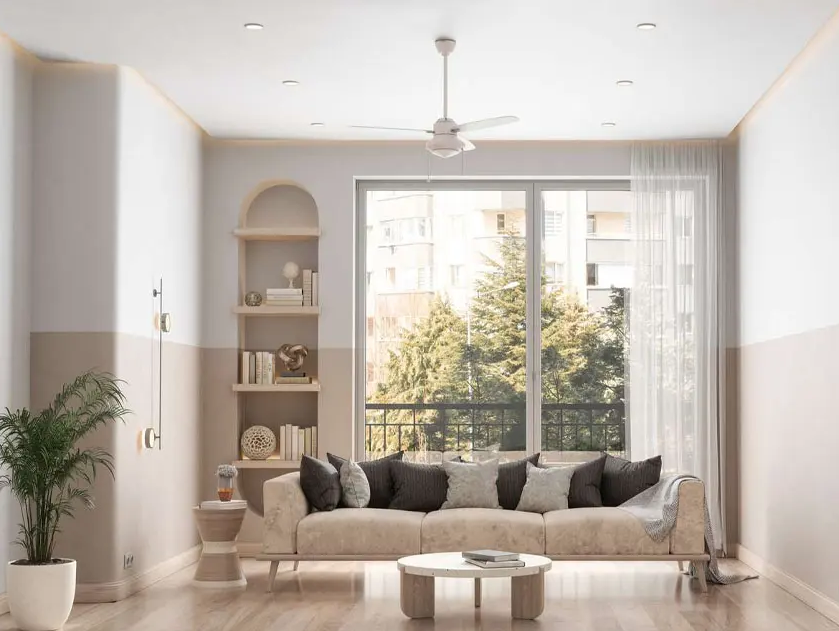
Minimalism has become one of the most beloved interior design trends of the past decade—and for good reason. Its focus on simplicity, clean lines, and intentional living can bring clarity and calm to a space. But there’s a catch: minimalist interiors, when not styled thoughtfully, can often feel cold, sterile, or impersonal.
The good news? Minimalism doesn’t have to be stark. With the right materials, textures, colors, and layout choices, you can create a space that’s both streamlined and soulful. This blog explores how to embrace the minimalist aesthetic while ensuring your home remains warm, welcoming, and lived-in.
1. Start with a Soft Neutral Palette
The minimalist color palette is often misunderstood as being purely black and white. To avoid a cold, clinical feel, consider working with warmer neutrals such as:
- Soft beige
- Creamy white
- Warm greys
- Taupe or greige tones
These hues create a calming base while still offering visual interest. Incorporating earthy undertones gives walls, floors, and furnishings a gentle warmth that immediately softens the space.
2. Embrace Texture as a Design Element
One of the most powerful ways to add warmth without visual clutter is through texture. In minimalist spaces, where every item has a purpose, texture becomes the bridge between minimal and cozy.
Try mixing:
- Woven throws and cushions
- Linen or wool upholstery
- Natural wood grains
- Stone or clay accents
- Rugs in jute, wool, or looped piles
A monochrome room filled with varied textures feels layered, tactile, and inviting—even with a restrained color scheme.
3. Incorporate Natural Materials
Minimalist doesn’t mean synthetic or ultra-modern. Infusing your design with natural elements keeps it grounded and connected to the outdoors.
Consider materials like:
- Light or mid-tone woods (oak, ash, walnut)
- Stone (limestone, slate, or marble)
- Rattan or cane furniture accents
- Ceramic vases and handmade pottery
These materials have natural imperfections that add depth and character without straying from minimalist principles.
4. Use Soft Lighting, Not Just Overhead
Lighting plays a major role in the mood of a minimalist home. Skip the harsh white overhead lights and opt for a layered lighting strategy:
- Floor and table lamps with warm bulbs
- Wall sconces for ambient glow
- Dimmer switches to control brightness
- Accent lighting to highlight textures or architectural features
Warm light instantly softens clean lines and creates a more intimate atmosphere.
5. Choose Furniture with Organic Shapes
Straight lines are a staple of minimalism, but too many can feel rigid or cold. Introduce a sense of comfort and movement by incorporating curved or organic furniture silhouettes:
- A round coffee table
- A sofa with soft edges
- Arched mirrors or lighting
- Rounded ottomans or poufs
These shapes contrast beautifully with angular architecture and add flow and softness to the space.
6. Keep It Functional, Not Empty
Minimalism isn’t about owning less for the sake of it—it’s about intentional living. Every piece should have a purpose, but that doesn’t mean your home should feel under-furnished.
Design with comfort and function in mind:
- A cozy reading chair in a quiet corner
- A large dining table for gatherings
- Open shelving styled with intention
- Hidden storage to reduce visual clutter
Create visual balance by leaving breathing room around each item while ensuring the room still supports daily life.
7. Add Art and Personality Sparingly
Minimalist homes don’t need to be devoid of personality. The key is curation, not elimination. Instead of filling every wall, choose a few meaningful or impactful pieces:
- A large canvas with neutral abstract art
- A black-and-white photo in a thin frame
- A sculptural object on a shelf
Let each piece breathe. A thoughtfully chosen work of art stands out more when not competing for attention.
8. Integrate Nature Through Plants and Greenery
Plants bring softness, color, and a touch of life to minimalist interiors. A well-placed plant can:
- Break up monochrome tones
- Add height or structure to a corner
- Connect the space to nature
- Improve indoor air quality
Stick to a few statement plants—like a fiddle-leaf fig, snake plant, or olive tree—in simple pots that align with your palette.
9. Choose High-Quality Essentials Over Quantity
Minimalist spaces thrive on quality over quantity. Instead of filling your room with dozens of decor pieces, invest in a few timeless, well-made items:
- A beautiful linen bedspread
- A handcrafted vase
- A solid wood coffee table
These foundational pieces contribute lasting style and warmth without crowding the space.
10. Edit and Evolve Slowly
Minimalist decorating is a process, not a project. Don’t rush to empty your space. Instead:
- Gradually remove what doesn’t serve or inspire
- Observe how each room functions before making decisions
- Let your lifestyle inform what stays and what goes
Warm minimalism evolves as you do—it’s about living with intention, not restriction.
Conclusion
Minimalism doesn’t mean living in a cold, empty box. It’s about stripping away the excess while embracing what truly matters—comfort, purpose, and beauty. By layering textures, using warm neutrals, integrating natural materials, and curating with care, you can create a minimalist home that feels just as inviting as it does serene.
Ultimately, a well-designed minimalist space reflects clarity—not just in aesthetics, but in life itself.
Recent Blogs
-

All You Need to Know About TradeTracker Before Investing
-
Uses of Natural Sleep Support Supplements: What They’re Commonly Taken For
-

Streetwear Trends 2025: How Decarba Reflects Today's Urban Fashion
-

Whole-Food Nutrition Meets Modern Life: Why Organ Supplements and Natural Blends Are Gaining Popularity
-

From Smoothie to Salad: How to Use Premium Dates in Every Meal